
How to Watermark a PDF (Text Watermarks, Free)
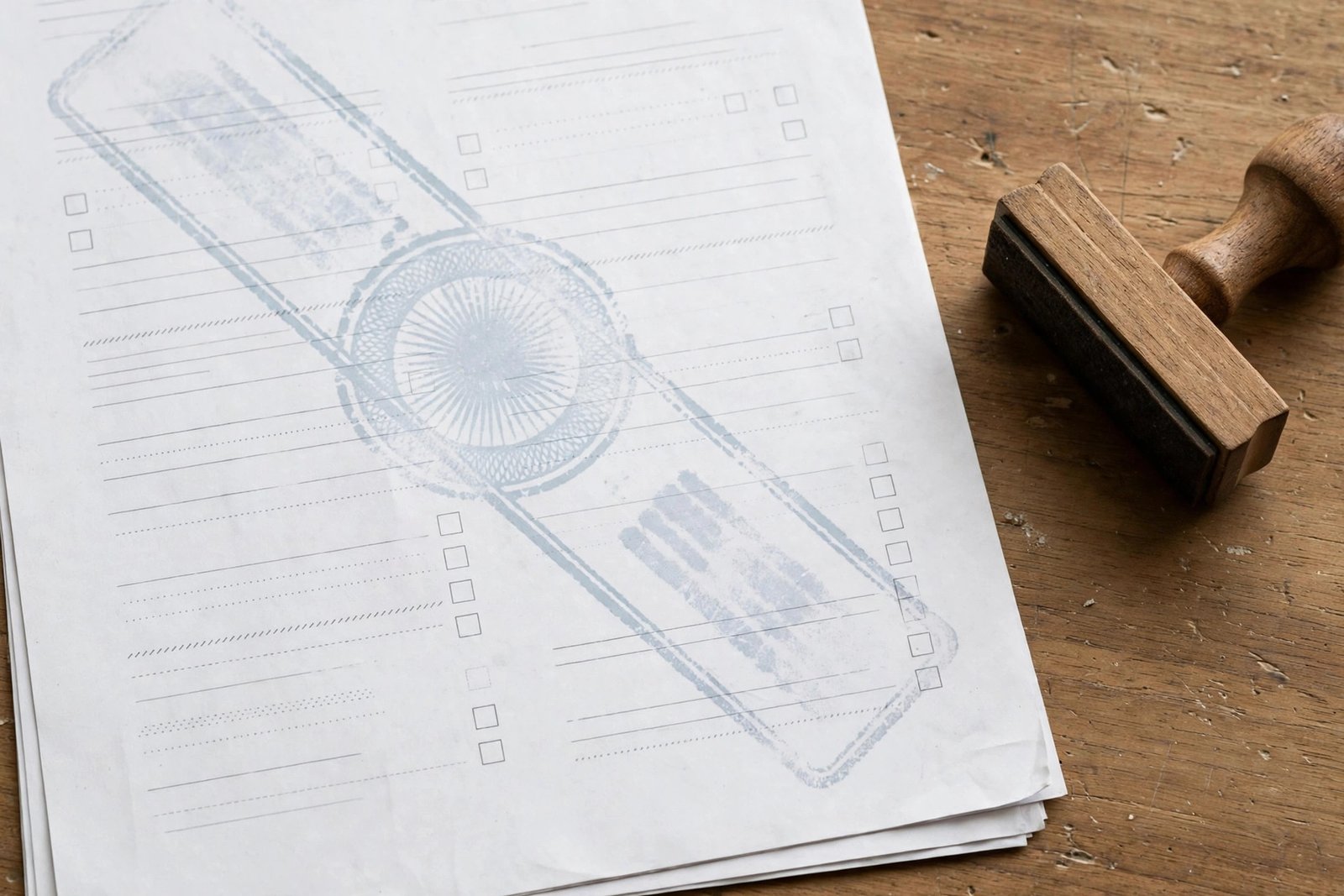
A watermark is a label stamped across your pages — DRAFT on a proposal, CONFIDENTIAL on a contract, your name on a portfolio. It doesn't make a document unstealable (nothing does), but it makes the status obvious at a glance and puts your name on your work. Here's how to add one for free.
What a watermark can and can't do
Set expectations before you start. A watermark can: mark a document as a draft so nobody mistakes it for final, signal confidentiality, and credit your work. It cannot: prevent copying, screenshots, or determined removal — anyone with a PDF editor can delete an overlaid watermark. If you need real protection, combine a watermark with a password and redact anything truly sensitive instead of just stamping over it.
Method 1: Free browser editor (no install)
The quickest way to stamp text across your pages:
- Open PDFPax Edit PDF.
- Drop in your PDF and add a text box with your watermark text — DRAFT, CONFIDENTIAL, your name, whatever fits.
- Place it diagonally across the page, or tuck it into a corner if you'd rather it stayed subtle.
- Repeat for each page (or the pages that matter), then download.
This is a manual overlay, which means it works on any PDF — scans included — and takes a few minutes for a short document. For a 40-page report you'll feel the repetition; for a 5-page proposal, it's done before your coffee cools.
Method 2: Adobe Acrobat (automatic across all pages)
Acrobat has a dedicated watermark feature that does the whole document at once:
- Go to Tools > Edit PDF > Watermark > Add.
- Type your text, pick the font, size, color, rotation, and opacity.
- Set the position and page range, then apply — every page gets stamped identically.
This is the professional route: consistent placement, adjustable transparency so the text stays readable underneath, and the option to put the watermark behind the page content. If you watermark documents weekly, it's the smoothest workflow. For occasional use, the free methods are fine.
Method 3: LibreOffice Draw (free desktop app)
LibreOffice is free and open-source, and its Draw component edits PDFs page by page:
- Open the PDF in LibreOffice Draw.
- Insert a text box with your watermark text, rotate it, and style it as you like.
- Copy the text box to the other pages, then File > Export as > Export as PDF.
It's clunkier than the browser method for a quick stamp, but it's a solid free desktop option if you prefer working offline — and LibreOffice is worth having installed anyway.
Watermark design: small choices, big difference
- Keep it readable but quiet. Large, light-gray, diagonal text is the classic for a reason — visible without fighting the content.
- Match the message. DRAFT for unfinished work, CONFIDENTIAL for restricted sharing, your name or © line for portfolios and creative work.
- Corner vs. center. A corner stamp is polite; a diagonal center stamp is a statement. Use the center for drafts you really don't want quoted, the corner for everyday branding.
- Watermark the final version. Stamp after all edits are done. Like page numbers, watermarks applied mid-draft just create rework.
FAQ
Can someone remove my watermark?
Yes — any text overlay can be deleted with a PDF editor. Watermarks communicate status and ownership; they don't enforce them. For documents that must not leak, control distribution instead of relying on the stamp.
Text watermark or image/logo watermark?
Text covers 90% of needs and is simpler to add. A logo watermark looks more branded but requires the image file and more fiddling with placement. Start with text; upgrade to a logo only if the document represents your business publicly.
Will a watermark hurt print quality?
Not noticeably. Watermarks are vector text, so they print as crisply as the rest of the page. Just avoid very dark watermarks over dense text — readability suffers.
Need a stamp? Add your watermark free with PDFPax — no sign-up, and your files never leave your device.